Title: Discovering the Butteri: The History of Butteri in the Tuscan Maremma
Introduction:
The Tuscan Maremma, with its wild nature and vast pastures, has been the homeland of a legendary figure for centuries: the buttero. These skilled riders, dressed in traditional attire and possessing exceptional horsemanship, have a fascinating history intertwined with the culture and tradition of the region. In this article, we will explore the history of the butteri in the Tuscan Maremma, from their origins to their current role in society.
Origins:
The origins of the butteri in the Tuscan Maremma date back at least to the 13th century when the area was still a vast and unspoiled region of marshes, forests, and pastures. Butteri were primarily cattle herders, responsible for grazing and tending to the local livestock, including horses, cattle, and sheep. Their lives were harsh and solitary, as they had to face adverse weather conditions and wild animals, but their skill in tackling these challenges made them legendary figures.
The Life of a Buttero:
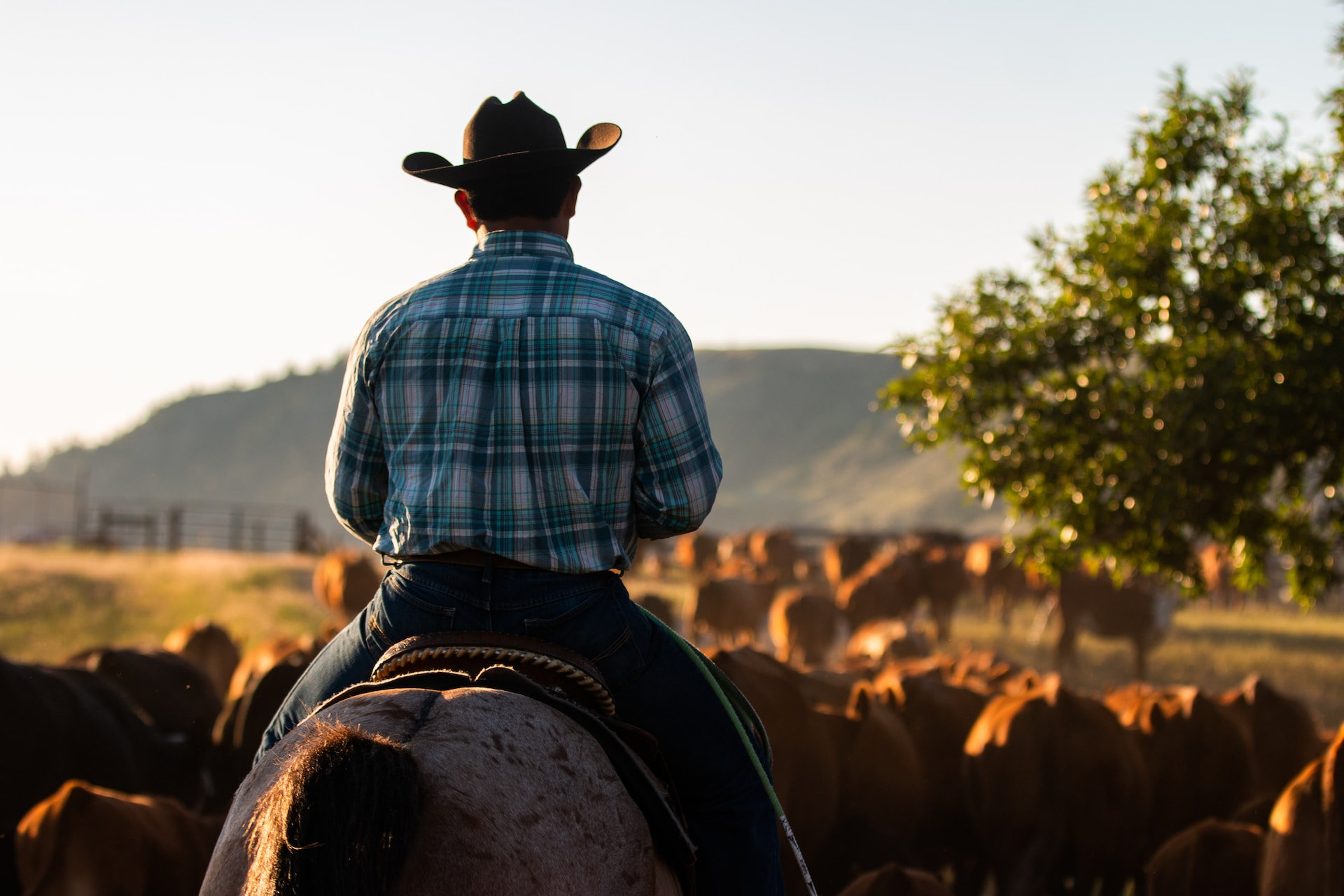
The life of a buttero was characterized by a deep bond with horses. These men spent most of their days on horseback, guiding the livestock across the expanses of pastures and marshes. Their horsemanship skills were exceptional, thanks to years of practice and training. They wore traditional clothing that protected them from the elements and contact with thorny plants, such as the renowned wide-brimmed hat and high boots.
The Art of Rodeo alla Maremmana:
One of the most fascinating aspects of butteri culture is the art of Rodeo alla Maremmana. This traditional practice involves capturing and handling cattle, particularly calves. Butteri showcase their skill and dexterity in harmoniously and respectfully dealing with the livestock. Rodeo alla Maremmana has become a symbol of the Tuscan Maremma and attracts numerous spectators during local festivities.
Evolution and Cultural Heritage:
Over time, the Tuscan Maremma has undergone radical changes, with the reclamation of marshes and the advent of industrialization. These changes have led to a decrease in the number of butteri and the evolution of their activities. However, thanks to the efforts of certain associations and the awareness of the importance of their cultural heritage, butteri have managed to preserve their tradition and make it an integral part of the Maremman identity.
Today:
Today, butteri still play a significant role in the Tuscan Maremma. Although livestock farming has decreased, butteri have adapted and found new ways to promote their culture. They organize shows and events, participate in historical parades, and offer traditional horsemanship lessons. Their figure has become a symbol of pride and identity for the Tuscan Maremma, attracting tourists and enthusiasts from around the world.
Conclusion:
The history of the butteri in the Tuscan Maremma is a treasure trove of traditions, skills, and culture. These skilled riders have ridden through the centuries, facing the challenges of rural life and keeping their heritage alive. Today, butteri are living witnesses of a millennia-old tradition and continue to represent a fundamental aspect of the Maremman identity. Their horsemanship skills, the art of Rodeo alla Maremmana, and their love for the land are true symbols of the Tuscan Maremma, enchanting and captivating all those fortunate enough to encounter them.
Foto di Phinehas Adams su Unsplash