Pici: Tuscan Heart Pasta with a Worldly Presence
Pasta is undoubtedly one of the most distinctive symbols of Italian cuisine. Each region of the country has its own pasta specialty, each characterized by unique shapes and textures. Among these, one of the most appreciated is the "pici" pasta, a Tuscan dish that has won the hearts of many food enthusiasts around the world.
Origins and History of Pici:
Pici pasta, also known as pinci or picci, has its roots in the province of Siena, Tuscany, a region rich in history and culture. Its origin dates back to ancient times, and it is believed to have a centuries-old tradition.
These Tuscan spaghetti were historically associated with peasant families, who considered them one of their favorite dishes. Pici were prepared on special occasions such as weddings and festivities, but they were also a daily meal for the less affluent families, thanks to the simplicity of the ingredients used in their preparation.
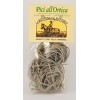
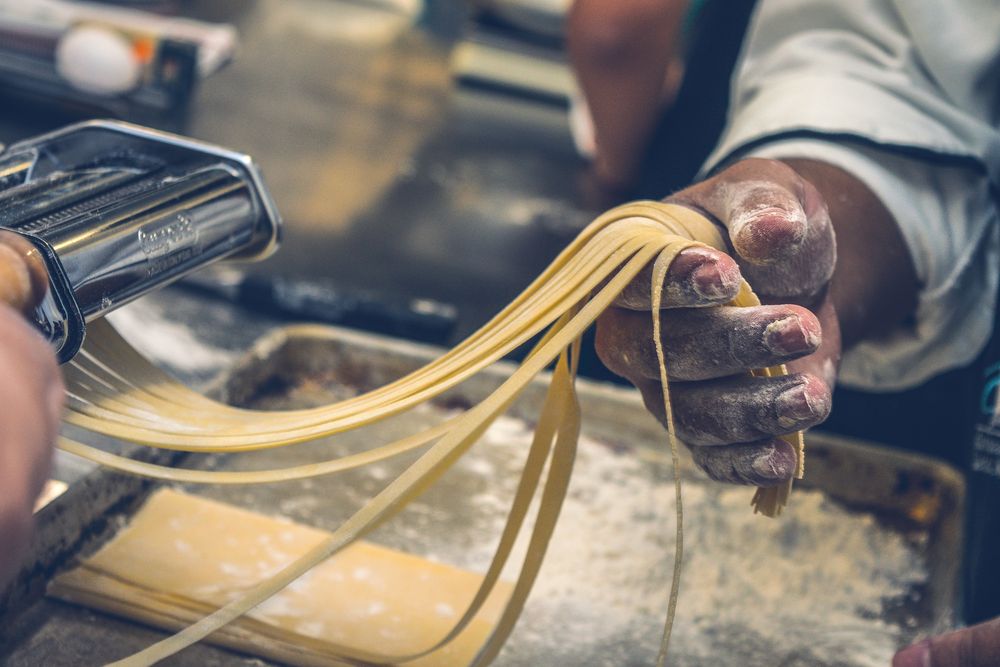
The distinctive shape of pici, long and thick, is achieved by hand-rolling the mixture of flour and water until obtaining irregular cylinders. This artisanal process has been passed down from generation to generation, preserving the tradition of this delightful Tuscan pasta.
The Recipe for Pici:
The traditional recipe for pici is extremely simple and requires very few ingredients: flour, water, and a pinch of salt. The combination of these elements creates a flexible dough that is then hand-worked to achieve the characteristic shape of pici.
In modern times, some variations of the traditional recipe have included the use of eggs in the dough, which gives the pasta an even more delicate and flavorful texture. However, it is important to emphasize that authentic and respectful pici recipes stick to the simple combination of flour and water.
The Tradition of Pici in Tuscan Cuisine:
Pici are often dressed with simple yet flavorful sauces, typical of Tuscan cuisine. Among the most famous condiments is wild boar ragù, a slow-cooked sauce made from wild boar meat, aromatic herbs, and tomatoes. Other common sauces include the classic garlic, oil, and chili, breadcrumb sauce, and duck ragù.
Pici are cooked in plenty of salted water and, unlike other pasta varieties, they require a longer cooking time due to their thick texture. However, this characteristic gives pici a unique taste and an ability to hold the sauce surprisingly well.
Pici Around the World:
In recent years, pici has gained popularity beyond Italy. Thanks to the rediscovery of regional culinary traditions and the growing interest in authentic cuisine, pici have won the hearts of many international chefs and have become a staple on the menus of prestigious restaurants.
The simplicity of the ingredients and the artisanal preparation have captivated the taste buds of many food enthusiasts, attracting the attention of food bloggers and gastronomic influencers who often share their pici experiences on social media, spreading its knowledge and appreciation worldwide.
Conclusion:
Pici represent an authentic masterpiece of Tuscan culinary tradition. Their unique shape, achieved through skillful handcrafting, and the delightful flavors that can be paired with them make them a true delight for food lovers worldwide. The story of pici is one of simplicity, genuine flavors, and tradition, elements that continue to make this pasta a symbol of pride for Italian culinary culture. If you haven't tried them yet, don't hesitate to seek them out during your next trip to Tuscany or experiment with the recipe in the comfort of your own kitchen, and let yourself be enchanted by the magic of this one-of-a-kind pasta. Buon appetito!
Foto di Jorge Zapata su Unsplash